
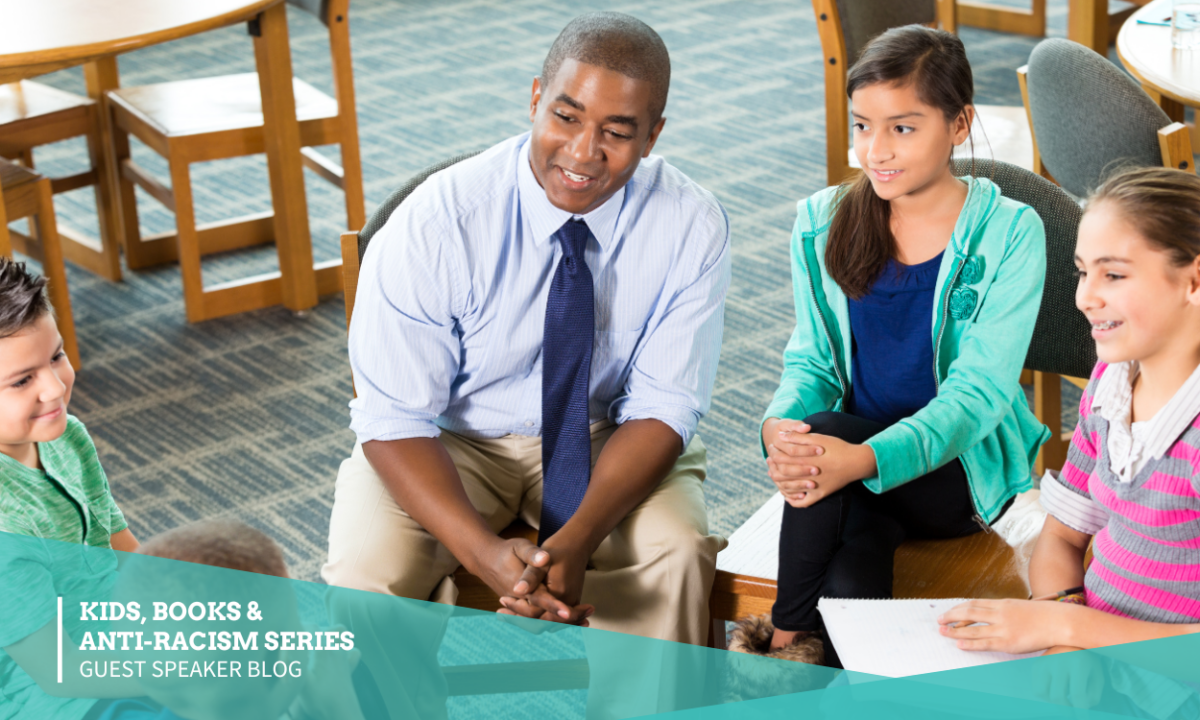
Elementary age children are aware of race and, frequently, have questions about race. While many adults would like to ignore that awareness and those questions, as I did for many years, our students deserve the opportunity to engage with their curiosity and to grow to better understand the roles race plays in our society. Children’s books are a wonderful way to enter these conversations.
The most obvious books and topics around race involve historical issues of oppression and inequality. I am grateful for all of the amazing authors and illustrators who have created books about the Civil Rights Movement, about the forced displacement of Native and Indigenous people, about the myriad laws designed throughout our history to keep immigrants from certain countries and parts of the world out of the US. Reading these books, allowing students to sit with their discomfort and/or anger, and giving them the opportunity to talk with one another about their thoughts should be happening in classrooms across our country. The conversations that ensue from these texts are thought-provoking, eye-opening (for us and our students), and often ongoing.
In addition, we should be reading books about race today, right now, in our students’ lives. They need the chance to turn a critical eye on the world they live in, consider ways in which that world is inequitable for many, and decide how they want to move forward in that world.
Carole Boston Weatherford’s The Roots of Rap:16 Bars on the 4 Pillars of Hip-Hop is a great book to read to discuss the contributions Black musicians have made over the years. Jason Reynold’s Track series offers a wonderful opportunity to explore the lives of children, similar and different to the children in our classrooms. Mango, Abuela, and Me by Meg Medina offers students mirrors and windows, depending on their lives, through a beautiful multi-generational story about family.
Books can make difficult discussions a little bit easier. They allow us, both children and adults, a bit of space from questions and issues that can be challenging. We are not directly discussing our own lives, we’re talking about the characters or historical figures we’re reading about. Starting there can make moving to more personal conversations more possible. Our students are ready for this work, we need to be beside them in it.
Let’s Keep on Talking!
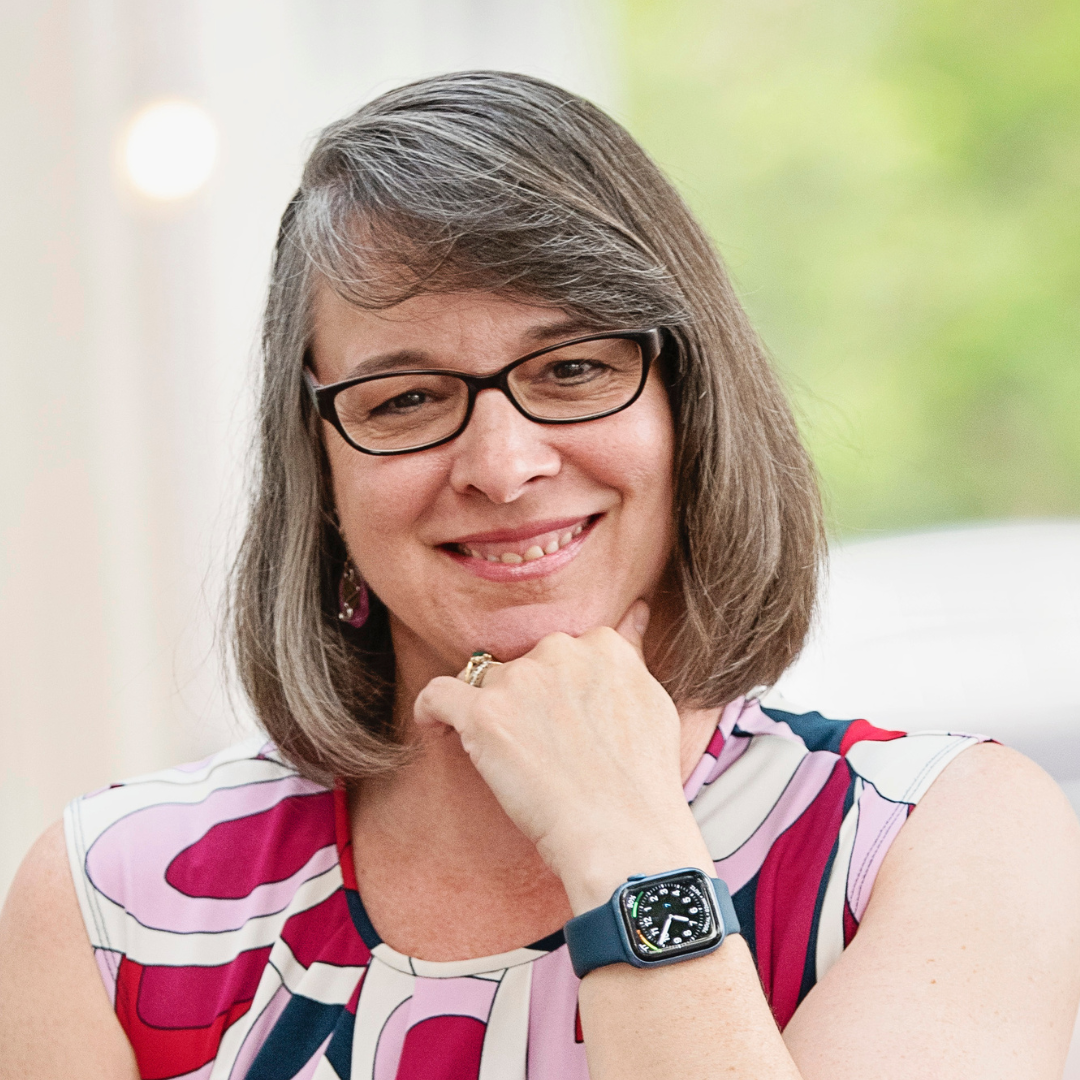
Contribute to the dialogue with Jennifer Orr on Friday, March 8, 2024, in-person at Lesley University or virtually! Jennifer’s workshop, How to Engage Your Students in Meaningful Race Conversations, is the second in our 2024 Kids, Books & Anti-Racism Series.