


I once saw an interview with a well-known author who was asked how they decided on what to make significant in their book. This author responded by saying “nothing is significant until you make it significant.” The kind of teaching that creates a space for us to center what matters to children is one that deliberately makes significant the children’s questions, their wonderings, their passions, their questions, and the things that matter in their lives. This curriculum therefore makes significant diverse children’s cultural and social questions about everyday life, beginning with what appears, on the surface, to be mundane to issues of social justice and equity.
Centering what matters to children calls for teaching in ways that honor the lives of those children and in so doing highlighting each child’s brilliance. How do we know what to center and therefore what to teach? I like to begin with close observation of children not only in the classroom but also in such places as the school bus, or while walking down the hallway, and while playing in the schoolyard. These observations include tuning-in to the things that bother them, the things that make them happy, the questions they ask, their worries, and their passions. Sometimes topics and issues of importance to children are ascribed on their bodies, the printed images on the clothes they wear, on their backpacks and shoes, and so forth. I then like to create a space or opportunity for children to say what is on their minds. This could happen at the start of the school day as part of a morning gathering or meeting, after a read aloud, or after sharing some other text with the children. While the children share what is on their minds, I make sure to have my notes readily available to connect things they are saying with things I have observed. This is the point at which curriculum can be negotiated with children so that their passions and inquiry questions become the fuel that drives teaching and learning in the classroom. What I have seen time and time again is that this kind of teaching results in learning that surpasses what is mandated or outlined on scope and sequence charts. After all, learners young and old always learn best when what they are learning has importance in their lives.

Want to Learn More?
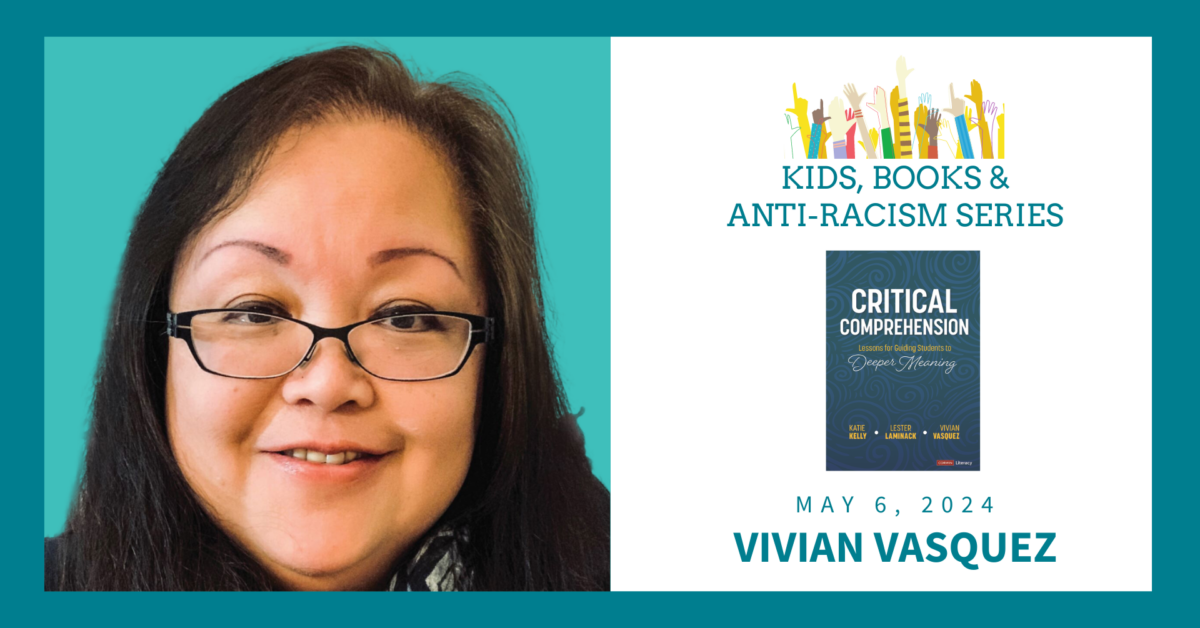
Join Vivian Vasquez on May 6!