

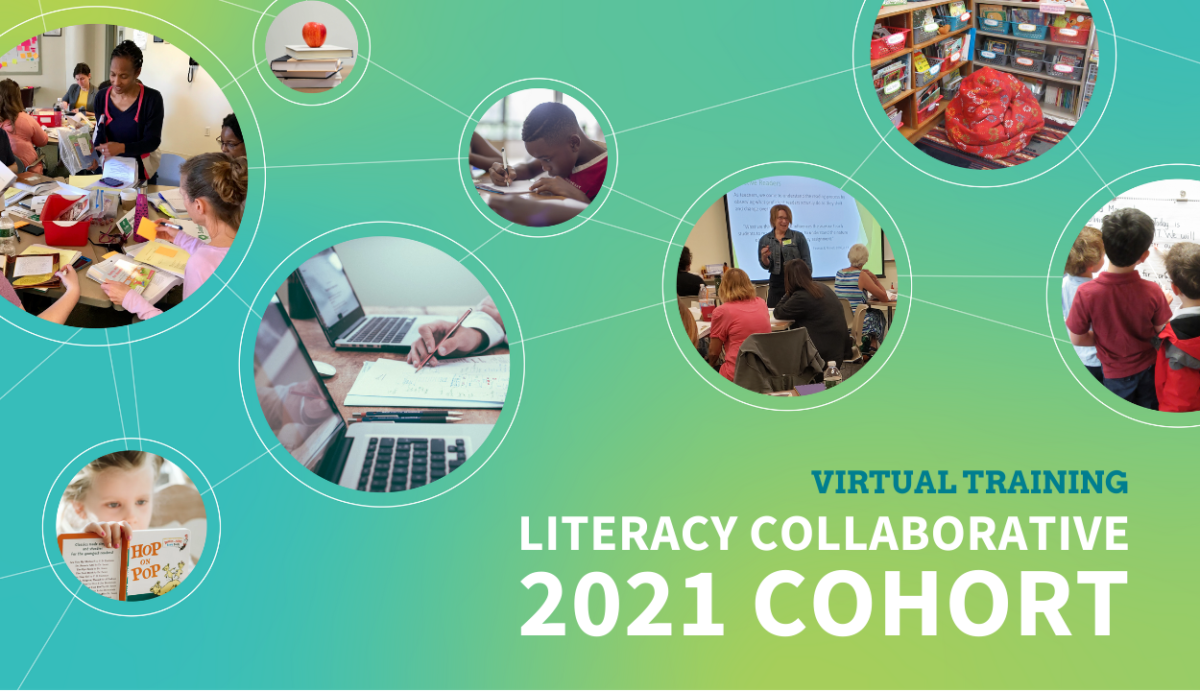

Blog Hero Image

Literacy Collaborative 2021 Virtual Cohort

Literacy Collaborative is a research-based literacy improvement model that strengthens the adult learning culture and gets everyone on the same page about the most effective ways to teach reading and writing in grades K–8.

Through a unique design, Literacy Collaborative offers a systems approach to ensuring high literacy outcomes for all children and fosters collective responsibility amongst the school team.

Seven Elements of the Literacy Collaborative Systems Design

  • A shared vision for literacy learning
  • Collective ownership of student outcomes
  • A commitment to teamwork and shared leadership
  • A set of research-based instructional practices that equitably address the strengths and needs of all learners
  • Student data to inform decision making, document growth over time, and reflect on the effectiveness of teaching and learning
  • Job-embedded professional learning and coaching
  • Partnership with families and community members

Affiliated Literacy Collaborative schools also enjoy a range of partnership benefits. For more information the Literacy Collaborative Partnership, click here.

Literacy Collaborative Training is Virtual!
Accepting Applications for the 2021 Cohort

The 2021 cohort will be held online through a combination of live, interactive sessions and on-demand learning starting in August. Participants will apply what they learn and receive job-embedded coaching from Lesley University faculty as part of their coursework.

The literacy coaches/teacher leaders record videos of their teaching and coaching, and complete readings, case study assignments, and reflection papers. The literacy coach takes three 3-credit courses during the year and earns 9 graduate credits from Lesley University upon completion of the training.

Wondering if Literacy Collaborative is right for your school? Schedule a free consultation with one of our literacy trainers.

Learn why Mission Grammar School has invested in the Literacy Collaborative and how intermediate literacy coach Christina is benefiting from the experience.


“As a coach my job is to help teachers to become more reflective practitioners and more skilled practitioners. I have come to see that this the work of an entire community. It is complex work that does not have an end.
I find this very exciting!”

Diane Lyons, Grade 1 Teacher
Ayer-Shirley Regional School District, MA

“I’m excited to create a classroom setting in which the language arts instruction is purposeful, engaging, and very intentional because it is based on the needs of my students. I have a wealth of new information and materials to help me put this knowledge into practice.”

Wendy Marotta, Grade 3 Teacher
Concord Public Schools, MA

“I did not have a clear concept of what it meant to be a coach before I began [Literacy Collaborative] training.
I now feel like I have a full understanding of what I will be doing.”

Christin Wheeler, Literacy Specialist
Brookline Public Schools, MA

PinLinkedIn

You might also be interested in

March 24, 2026 Cindy Downend, Director

A School Leader’s Guide to Observing Reading Comprehension Instruction

Teaching children to think critically, analytically, and deeply about texts is no easy endeavor. What should you listen for when observing text-based comprehension work in the classroom? Here are six questions to ask to help you sharpen your lens on comprehension instruction.

March 6, 2026 Nikki Drury, Literacy Trainer

An Invitation to Rethink: What Research Says About Syllables 

As literacy educators, we must think carefully about cognitive load, instructional payoff, and how word-solving strategies impact readers’ fluency and comprehension. If a strategy requires a lot of mental effort but works inconsistently, it’s worth asking whether it truly supports readers.

February 20, 2026 Linda Murphy, Associate Director of Literacy Programs

Three Essential Practices for Effective Vocabulary Instruction

Vocabulary knowledge is a key element in comprehending text. Students need ongoing instruction and support in developing their vocabulary because it affects their ability to comprehend texts and communicate their ideas clearly. Here are three instructional practices for approaching vocabulary instruction that will support students in expanding their word knowledge.