
Team Page Hero
Headshot of Cindy Downend

Cindy Downend

Director, Literacy Programs

What I like most about my role within the Center is…

I love to teach! It is so rewarding to see how our work with educators can be so empowering and transformative. When you think in new ways about literacy teaching and learning, you change your practice to improve the school experiences of children.

What I believe in

The power of literacy to improve, enrich, and change people’s lives.

Previous work highlights

Many years as a classroom teacher, Reading Recovery teacher, and literacy coach in Michigan, Germany, Minnesota, and Florida.

Favorite book

All The Light We Cannot See, by Anthony Doerr

Fun fact

Many years ago I was smuggled across an international border to go snow-skiing!

Education

MA, Elementary Education, Western Michigan University
EdS, Educational Leadership, Nova Southeastern University


illustration with clip art

Featured Blog Posts

March 6, 2026 Nikki Drury, Literacy Trainer

An Invitation to Rethink: What Research Says About Syllables 

As literacy educators, we must think carefully about cognitive load, instructional payoff, and how word-solving strategies impact readers’ fluency and comprehension. If a strategy requires a lot of mental effort but works inconsistently, it’s worth asking whether it truly supports readers.

February 20, 2026 Linda Murphy, Associate Director of Literacy Programs

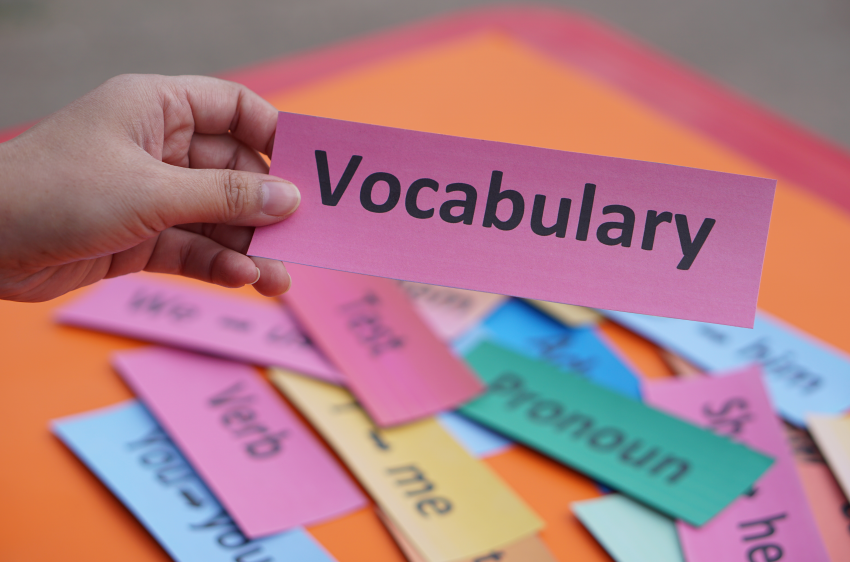
Three Essential Practices for Effective Vocabulary Instruction

Vocabulary knowledge is a key element in comprehending text. Students need ongoing instruction and support in developing their vocabulary because it affects their ability to comprehend texts and communicate their ideas clearly. Here are three instructional practices for approaching vocabulary instruction that will support students in expanding their word knowledge.

January 13, 2026 Edmund Adjapong

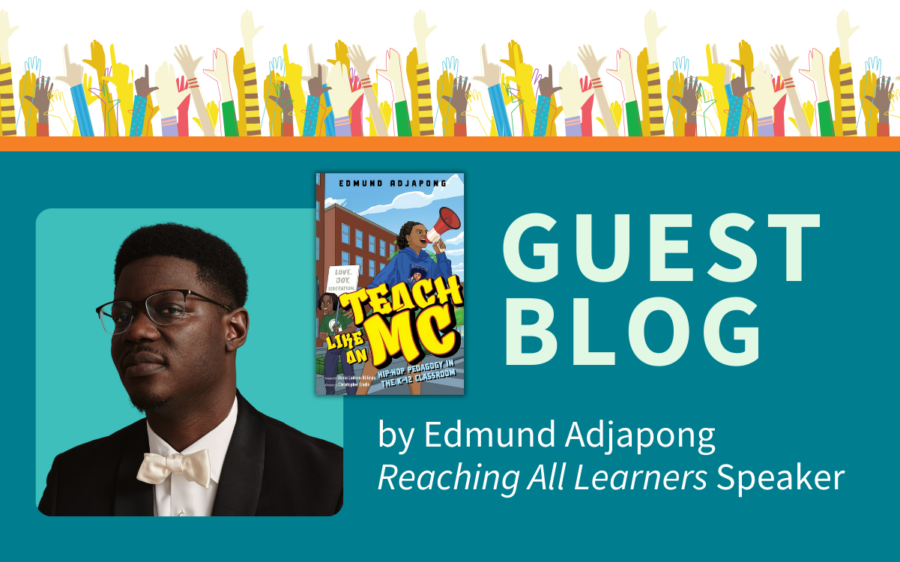
Analyzing Hip-Hop as Text: Teaching Students to Read the World Through Culture

Hip-hop is powerful because it provides a voice and a platform to marginalized communities and critiques injustice. It continues to be a powerful means for young people to critique social injustice, demand change, and celebrate their identities—offering not just music, but a way to imagine and create a better world. At its core, hip-hop is a culture that critiques society.