

Team Page Hero
Elise Kovi profile

Elise Kovi

Assistant Director of Outreach, Marketing, and Engagement

What I like most about my role within the Center is…

Supporting educators on their journey to teach students how to read and write.

What I believe in:

I believe books transport us to new places, encourage us to use our imaginations and have the ability to change the world. I also believe stories connect us to one another.

Previous work highlights:

I have worked on a variety of projects, but my favorite was developing customer stories. I love staying connected to audiences and building community.

Favorite book:

Let’s Pretend This Never Happened by Jenny Lawson

Fun fact:

I played travel softball growing up and like to run marathons and triathlons.

Education:

MS in Public Relations from Boston University

BA in Communication Studies from University of California, Los Angeles

illustration with clip art

Featured Blog Posts

March 6, 2026 Nikki Drury, Literacy Trainer

An Invitation to Rethink: What Research Says About Syllables 

As literacy educators, we must think carefully about cognitive load, instructional payoff, and how word-solving strategies impact readers’ fluency and comprehension. If a strategy requires a lot of mental effort but works inconsistently, it’s worth asking whether it truly supports readers.

February 20, 2026 Linda Murphy, Associate Director of Literacy Programs

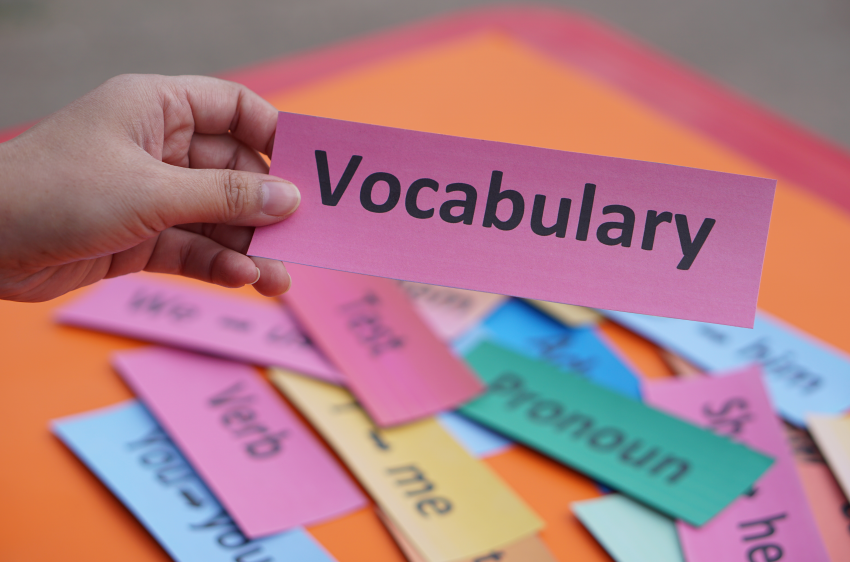
Three Essential Practices for Effective Vocabulary Instruction

Vocabulary knowledge is a key element in comprehending text. Students need ongoing instruction and support in developing their vocabulary because it affects their ability to comprehend texts and communicate their ideas clearly. Here are three instructional practices for approaching vocabulary instruction that will support students in expanding their word knowledge.

January 13, 2026 Edmund Adjapong

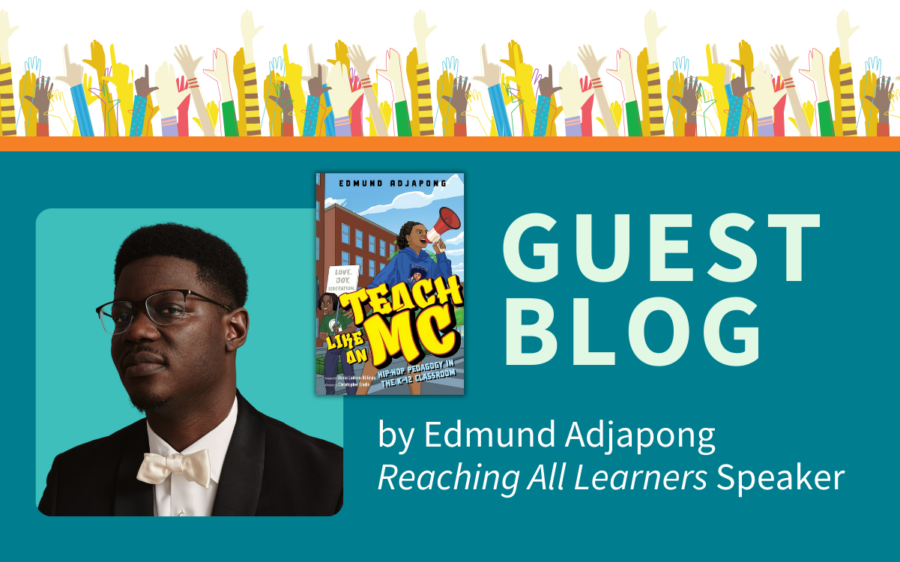
Analyzing Hip-Hop as Text: Teaching Students to Read the World Through Culture

Hip-hop is powerful because it provides a voice and a platform to marginalized communities and critiques injustice. It continues to be a powerful means for young people to critique social injustice, demand change, and celebrate their identities—offering not just music, but a way to imagine and create a better world. At its core, hip-hop is a culture that critiques society.