


Effective literacy intervention isn’t just about what you teach; it’s about how you teach it – read on for strategies that yield remarkable results.
One important key to an effective intervention is providing fast-paced lessons. Readers who struggle are often slowed down during interventions, focusing on minutia or laboring their way through unengaging materials. To keep readers who struggle engaged and focused, they need to be active and use materials and texts that are interesting (Fountas & Pinnell, 2009, p. 499). Being mindful of flowing smoothly and efficiently through all the components of an intervention lesson is one of many ways teachers contribute to the effectiveness of LLI or any carefully designed intervention.
Effective and Efficient Lessons:
- Have small groups of readers with similar needs
- Are fast-paced and use hands on materials
- Use engaging texts
- Are taught by knowledgeable teachers
Small Group
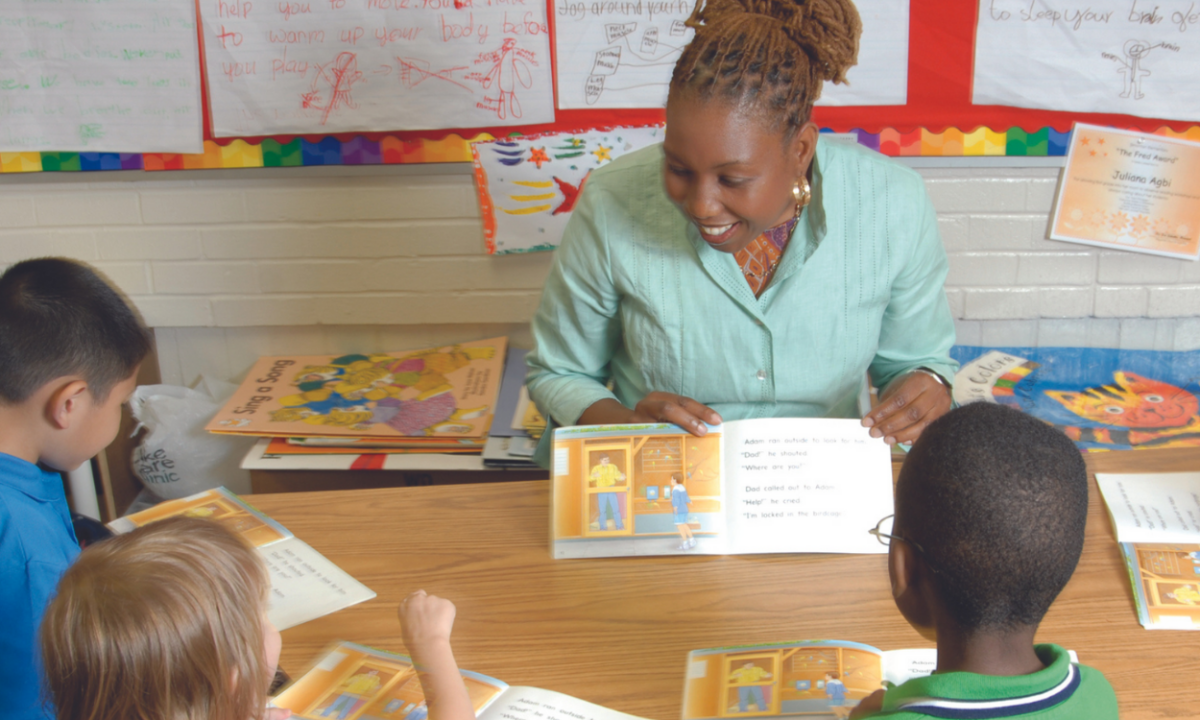
Intervention is most effective when the small groups are truly small, around 3-4 children. Every moment of a reading intervention lesson is an opportunity to observe and collect data on what children are doing as readers. When groups are too large, teachers have fewer opportunities to listen-in and carefully watch for developing reading and writing behaviors in each student, slowing data collection.
Fast-Paced with Hands-On Materials
Children stay active and engaged when they move smoothly between reading, writing, and word-solving components of a lesson. When children find parts of words on whiteboards, build words with magnetic letters, or sort letters, words, or picture cards, it gives them ownership of their own learning.
Use Engaging Texts
Children are more engaged when they have authentic, engaging texts as part of their intervention lessons. Teachers can plan effective lessons by getting to know the readers. Teachers can interview children and their families to find out their affinities, topics they know about, and what they are interested in. This leads to higher engagement when the teacher uses the information to:
- Select texts children will enjoy
- Plan thoughtful text introductions that draw on children’s background knowledge
- Use what children know to help them talk together about texts
- Help children connect what they know to the text
Taught by Knowledgeable Teachers
Every moment of a reading intervention lesson is an opportunity to observe and collect data on what children are doing as readers. When teachers are knowledgeable about what children understand, they plan lessons that meet the individual and group needs right on their cutting edge. Keeping careful notes on observations throughout each lesson, combined with using other assessment data will lead to effective intervention lessons.
Conclusion
Keeping the groups small and similar, getting to know readers, and keeping lessons fast-paced with engaging texts and materials will set the stage for effective and efficient intervention lessons.